[REF] MBC Off-Shoot : 🏴 💀 🏯 黒死館殺人事件 🏯 💀 🏴 - REFERENCE THREAD

Home Thread
Japanese Wiki

Prologue : 序篇 降矢木一族釈義

"聖アレキセイ寺院の殺人事件"

references the short story 聖アレキセイ寺院の惨劇


"ボスフォラス以東に唯一つしかないと云われる降矢木家の建物が、明らかに重大な理由の一つとなっているのだった。" Also refers to 聖アレクセイ寺院


ケルト・ルネサンス式

Castle Building Style from the 15th century with french architecture influence


"マッケイの古めかしい地理本"

Note:: Several geography books (prior to 黒死館殺人事件) were written by people named Mackay. I’m not sure we can know exactly which one this refers too, possibly this one (considering date and country ) : Book of MacKay, which would be consistent with Celtic Renaissance, but there is no illustration of castles in it…


"河鍋暁斎や落合芳幾"

Japanese painters from the Meiji Era:

河鍋暁斎や落合芳幾
落おち合あい芳よし幾


"竜宮の乙姫"

references the children’s tale 浦島太朗


"プロヴァンヌ城壁"

Fortified walls of the city of Provins in France
link in french
link in english - Provins Tourist Assocation website


"ケンネル殺人事"

references SS. Van Dine 's The Kennel Murder Case. 小栗虫太郎’s writing has often been compared to Van Dine’s Philo Vance series. More info on Philo Vance


"ボルジアの壺"

Might reference a haunted artifact that I’ve found referenced in this book in japanese, and in english. However, this was published in 1947, so obviously not directly what is referenced here. Maybe in M.R James which is said to have influenced Dare, but I can’t find a direct reference.
After feeding it all the links, ChatGPT thinks there is no real link, just a general reference to the Borgias poisoning people.


"「一四一四年聖ガル寺発掘記」"

Reference the Abbey of St Gallen in Switzerland,
which is a Unesco World Heritage site. However, there is no 1414 excavation; the most important event et that time was the Council of Constance (1414-1418) which did have a major impact on the Abbey


"寺門義道" doesn't seem to be an actual heraldry specialist.... or any actual person for that matter


"千々石清左衛門直員"

Is an actual japanese envoy to Europe from the Tensho period :
english link
japanese link


"大友宗麟"

Is a real Daimyou, who sent the Tensho embassy to Rome, as well as expeditions to Goa


"クラウジオ・アクワビバ"

Italian priest and General of the Jesuit order in the 16th century; he is established several missions overseas, including in Japan. He is regarded in importance as the second founder of the Jesuit order


"ジェンナロ・コルバルタ" made up character


"フランチェスコ大公妃カペルロ・ビアンカ殿"

Not the same Francisco as before (i.e : not 大友宗麟) . This is Francesco I dei Medici
and his wife, Bianca Capello


"つまり、降矢木の血系が、カテリナ・ディ・メディチの隠し子と云われるカペルロ・ビアンカから始まっていると云う事なんだが、その母子が揃って、怖ろしい惨虐性犯罪者と来ている。カテリナは有名な近親殺害者で、おまけに聖バーセルミュウ斎日の虐殺を指導した発頭人なんだし、また娘の方は、毒のルクレチア・ボルジアから百年後に出現し、これは長剣の暗殺者と謳われたものだ。" SPOILERS This is false : Bianca Capello, though linked through marriage to Catherine of Medicis, is not her daughter, hidden or otherwise. There is no family link to the Borgias. And while all three women are known for ruthlessness and poisoning, there is no mention of sword killings anywhere


"カテリナ・ディ・メディチ"

Catherine of Medicis and the St Bartholomew’s Day Massacre


"シャルコー"

Jean-Martin Charcot : French doctor who basically invented the field of neurology. While he did write/speculate about family origins in neurology and psychiatric diseases, he did not write about criminology…


"また、フィリップ三世が巴里中の癩患者を焚殺したと云う事蹟を聞いて、六代後の落魄したベルトランが、今度は花柳病者に同じ事をやろうとしたそうだ" SPOILERS This is false : the true king Philippe III of France never established any kind of punishment against lepers; that was Philippe V, and in the Languedoc region, not in Paris. This Philippe V was also king of Navarre, and known there as Philippe II; there is another, still different King Philippe III of Navarre, which also has nothing to do with pogroms against lepers


"ブラウンシュワイク普通医学校" SPOILERS Medical exchange students between Japan and Germany were a thing in the 19th Century, though as far as I could find they mostly went to Berlin. A famous example is 森鴎外. There's a technical college in Braunschweigh which claims to be the oldest established in Germany.... and a memorandum of understanding and student exchange agreement which was established in October 2024 (talk about foreshadowing...) !


"ヷルデマール一世" There were two kings Waldemar I, one in Danemark, one in sweden, none of which are linked to sorcery


"神秘数理術としてノタリク、テムツの諸法を含む"

Those are real kabbalistic techniques :
Gematria
Notarikon
Temurah


"ヘンリー・クラムメルの神霊手書法"

defined in wiktionary as “the act of a spirit making words appear out of nothing”, also known as “direct spirit writing”. Wikipedia refers to psychography but pneumography should appear without any human actually doing the writing. I couldn’t find any Henry Crummel linked with this


"加勒底亜五芒星招妖術"

Chaldean magic, including use of magic circles, heavily influenced european medieval magic
The ancient Greeks considered Zoroaster, the Chaldean, to be the father of magic. Considering how knowledge from antiquity came to be known, a latin manuscript referencing greek beliefs/knowledge about chaldean magic makes sense


"元来ウイチグスという人は、亜剌比亜・希臘の科学を呼称したシルヴェスター二世十三使徒の一人なんだ"

This references Pope Sylvester II who did introduce arabic mathematics and greek and arabic sciences to the west. Because of his vast knowledge, he was posthumously accused of sorcery. But there never was any thing about his having 13 disciples, or even any.


ボッカネグロの築城術やヴォーバンの攻城法"

Sébastien le Pestre de Vauban was a french military engineer, famous for establishing fortified cities, and also writing about siege warfare technque. I couldn’t find any mention of a military or construction engineer named Boccanegro.


"デイやクロウサアの魔鏡術"

John Dee was an elisabethan occultist (among other things). he was, at some point in his life, interested in scrying; among his possession, an obisidian mirror, thought to be an Aztec occult artefact, is now at the British Museum
Dee was active in Eastern Europe at some poitnin his life, but I couldn’t find any reference to a magician names Krauser/Krausa/Kraus. There are germanic reference to mirror magic and science at roughly the same time, but the magician (Heinrich Cornelius Agrippa) and the scientist (Athanasius Kircher) have different names.


"カリオストロ"

Giuseppe Bassamo, also known as Count Alessandro Cagliostro was a famous mage and alchemist in 18th century Europe


"ボッチゲル"

Johann Friedrich Böttger was a german alchemist from the 17th century, mainly famous for creating hard-paste porcelain


"ホーヘンハイム"

Philippus Aureolus Theophrastus Bombastus von Hohenheim, better known as Paracelsus was a swiss thologian, physician and alchemist. Of course, name-dropping Paracelsus would have been too easy, better go with Hohenheim…


"グラハム"

Might be James Graham, 19th century proponent of electrical cure and pioneer sexologist, because the link between magic and medicine exists in his works, but I don’t think anyone can be sure…


"猶太秘釈義法からは、四百二十の暗号がつくれると云うけれども"

I’ve found several references to the number 420 in Gematria, though I must admit I don’t understand half of them, even in my native langage, to Strong’s Concordance in which 420 refers to a name meaning “God has known”, and also to some angel numbers on various forums. Apparently, 420 is also code for smoking marijuana, though I highly doubt this is what Oguri had in mind…


"小島郷療養所に於いて和蘭軍医メールデルフォルト"

Pompe van Meerdervort introduced western medical knowledge in Japan and founded the Nagasaki Kojima teaching hospital


"地域はサヴルーズ谷を模し、本館はテレーズの生家トレヴィーユ荘の城館を写し"

The vallée de la Savoureuse does indeed run not too far from the city of Besançon. Trévise is a common name, and a Château de Trévise a plausible invention


"寛永寺"

Kan’ei-ji temple


"頭蓋鱗様部及顳顬窩畸形者の犯罪素質遺伝説"

Reference to phrenology


"路易朝末期の格檣襞服"

This is probably the kind of dress that the mannequin was wearing


"小城魚太郎"

Not a writer of crime novels but the pseudonym of a real-life critique of japanese detective novems, Nakajima Kawataro


"グブラー痲痺"

This probably refers to Millard-Gubler Syndrome though this is not hereditary, and some symptomes, including hemiplegia, are missing. Of course, if they weren’t, this couldn’t have been mistaken for a curse…


"コペッキイ"

The Kopecky family is indeed an historical puppetry family from Bohemia, but more as performers than as puppet-makers


"その昔シュツウツィンゲンの城苑に於て、マンハイム選挙侯カアル・テオドルが、仮面をつけた六人の楽師を養成したと云う一事に尽きている"

Karl Theodor von der Pfalz was indeed a patron of the art, and organised, among other things, concerts at his Mannheim and Schwetzingen palaces


6 Likes

Thank you @Magyarapointe for such detailed info. I like the links for the castles to see what’s described in the book. I started with Prologue yesterday but it had so much info that it’s hard to understand and your research links really helped! :raised_hands: :star_struck:

I found from Wiki that it is related to F. M. Klinger’s 1791 novel Fausts Leben, Thaten und Höllenfahrt [de] features an episode in which the Borgias figure, including an affair between Faust and Lucrezia.”

The summary according to ChatGPT also relates to Oguri’s preface for this book that this book was inspired by Goethe’s Faust.

Summary from ChatGPT

Friedrich Maximilian Klinger (1752–1831), a German dramatist and novelist associated with the Sturm und Drang movement, published his novel Fausts Leben, Thaten und Höllenfahrt (“Faust’s Life, Deeds, and Descent into Hell”) in 1791.

This was one of the earliest prose novels inspired by the Faust legend, written before Goethe completed the first part of his Faust (1808). Klinger’s version is much more baroque and sensational in style, with Faust wandering through European courts, churches, and brothels in a satirical and sometimes grotesque fashion.

Among the more striking episodes is his encounter with the Borgia family, notorious Renaissance figures tied to corruption, intrigue, and poisonings. In this section, Faust has an affair with Lucrezia Borgia, the infamous daughter of Pope Alexander VI. The episode reflects 18th-century fascination with scandalous Renaissance figures, and Klinger uses it to emphasize Faust’s descent into moral and spiritual corruption.

The internet seems to indicate that it could be a wine cup or ring with hidden compartment to store poison.

1 Like

Thank you !!! :heart_eyes: I hadn’t seen that link at all. Guess I should ask ChatGPT to also look in german reference sites. That would make sense considering all the references 小栗 throws at us.
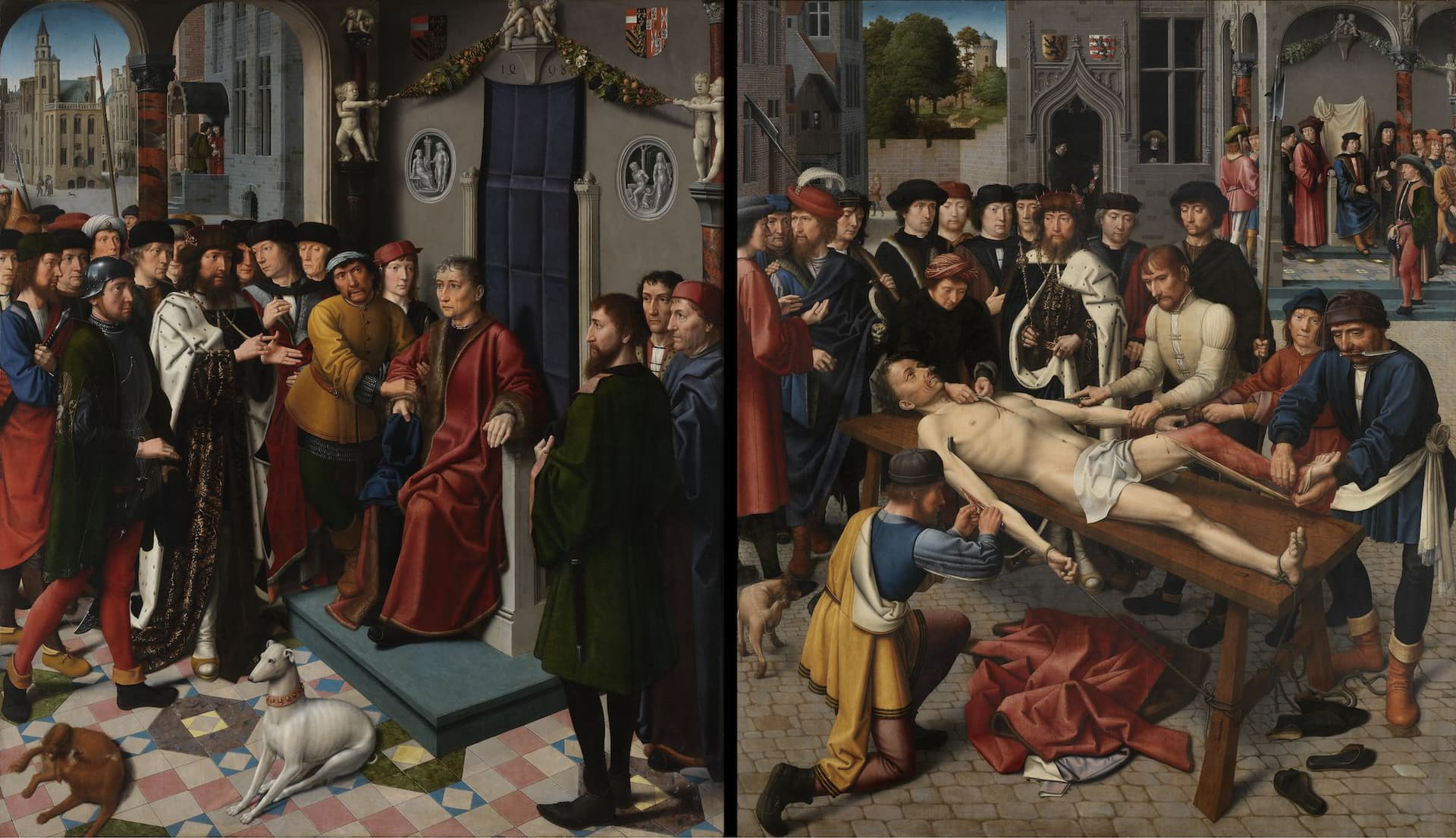
By the way, at one point, ChatGPT refered me to this book, which seems pretty fascinating. This being on sale for $5, I bought it (shipping is 5 times that, lol …) but since shipping between the US and Europe takes forever, I have no idea when it will arrive. Though there might or might not be a pdf copy floating around the internet…

I don’t think it will give specific insight on 黒死館殺人事件, but I’m eager to read that too.

4 Likes

:rofl:

Please let us know if you find any interesting information about 黒死館殺人事件 in the book.

2 Likes

Chapter 1 - 第一篇 死体と二つの扉をめぐって
1.1 - 栄光の奇蹟

Home Thread
Japanese Wiki

"マクベスの所領クォーダーのあった"

MacBeth defeats the Thane of Cawdor and gains his title.


"ル・ノートル式の花苑"

Andre Le Nôtre was a famous gardener and landscaper to french King Louis XIV, and designed the Versailles Palace garden.


"サイキ或"

It was common practice in classical gardens to put statues of the nymph Psyche Psyche represents the human soul, to be quietened by gardens, and harmony through her love with Cupid. More simply, Psyche statues were considered to give a romantic touch to gardens


"赤煉瓦を斜かいに並べた中央の大路を、碧色の釉瓦で縁取りしている所は、所謂矢筈敷と云うのであろう"

This herringbone pattern for garden alleys is NOT traditional in french-style gardens, a lot more in english-style gardens


"象徴樹"

Topiaries bring us back to french-style gardens


"パルナス群像"

Groupe of statues featuring Appolo and the Nine Muses, who are associated with Mount Parnassus evoked the arts, nature and intellect.


"驚駭噴泉"

Water surprises are a traditional feature of jeux d’eaux in french classical gardens


"前羅馬様式"

The Pre-Romanesque style


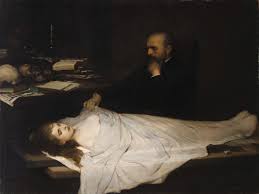
"カブリエル・マックス作「腑分図"

The is most probably a painting by Gabriel von Max called Der Anatom


"ジェラール・ダビッドの「シサムネス皮剝死刑の図"

This is Gérard David and the painting is known in english as The Judgment of Cambyses


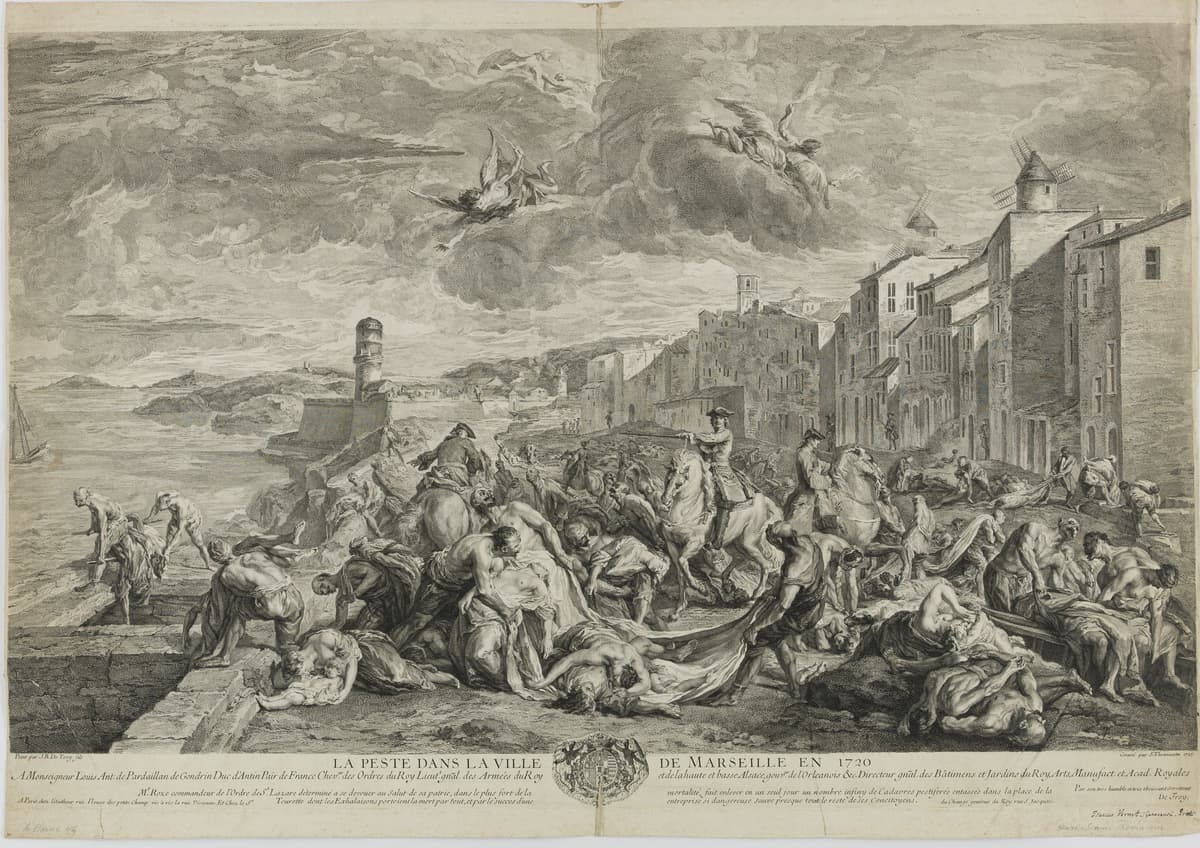
"ド・トリーの「一七二〇年マルセーユの黒死病"

This is most probably an engraving called La Peste dans la Ville de Marseille en 1720 by Jean François de Troy


. The japanese wikipedia page has his name as ド・トロワ which sounds much better to my ears than ド・トリー
There is also a painting called Scène de la Peste de 1720 à la Tourette (Marseille), by Michel Serres. The plague epidemy in Marseille that year was the last major plague outbreak in western Europe and killed around 100,000 people


"モンテパン侯爵夫人のクラーニイ荘"

This is the Countess of Montespan, one Louis the XIV’s concubine, and the Chateau de Clagny that the Sun King had set for her and her/their children.
Interestingly enough, Madame de Montespan was implicated in the Affaire des Poisons, which of course links to 黒死館殺人事件 themes of poisoning and withcraft.


"甲冑も、十六世紀以来のものは全然装飾物なんだよ、それも、路易朝に入ると肉彫の技巧が繊細になって、厚みが要求され、終いには、着ては歩けない程の重さになってしまったものだ"

While it is true that decorative suits of armour(better pictures on the french wikipedia page) were developped throughout the 16th century, there were still very much used and actually became heavier, to try and counter bullets from guns. They finally fell out of use by the late 18th century


"ドナテルロ以前、さあ、マッサグリアかサンソヴィノ"

There is an italian armor maker form the late 15th century called Antonio Missaglia. Though they are not armor makers, I guess the other two are Jacopo Sansovino, with his armoured statue of Athena Pallas at the Logetta del Sansovino in Venice, and the sculptor Donatello (not this Donatello) through his equestrian statue Il Gattamelata. This would at least be consistent with the links to Renaissance Italy that 小栗 established for the 降矢木 family in the prologue. The chronology is wrong, though, Donatello is the earlier sculptor.


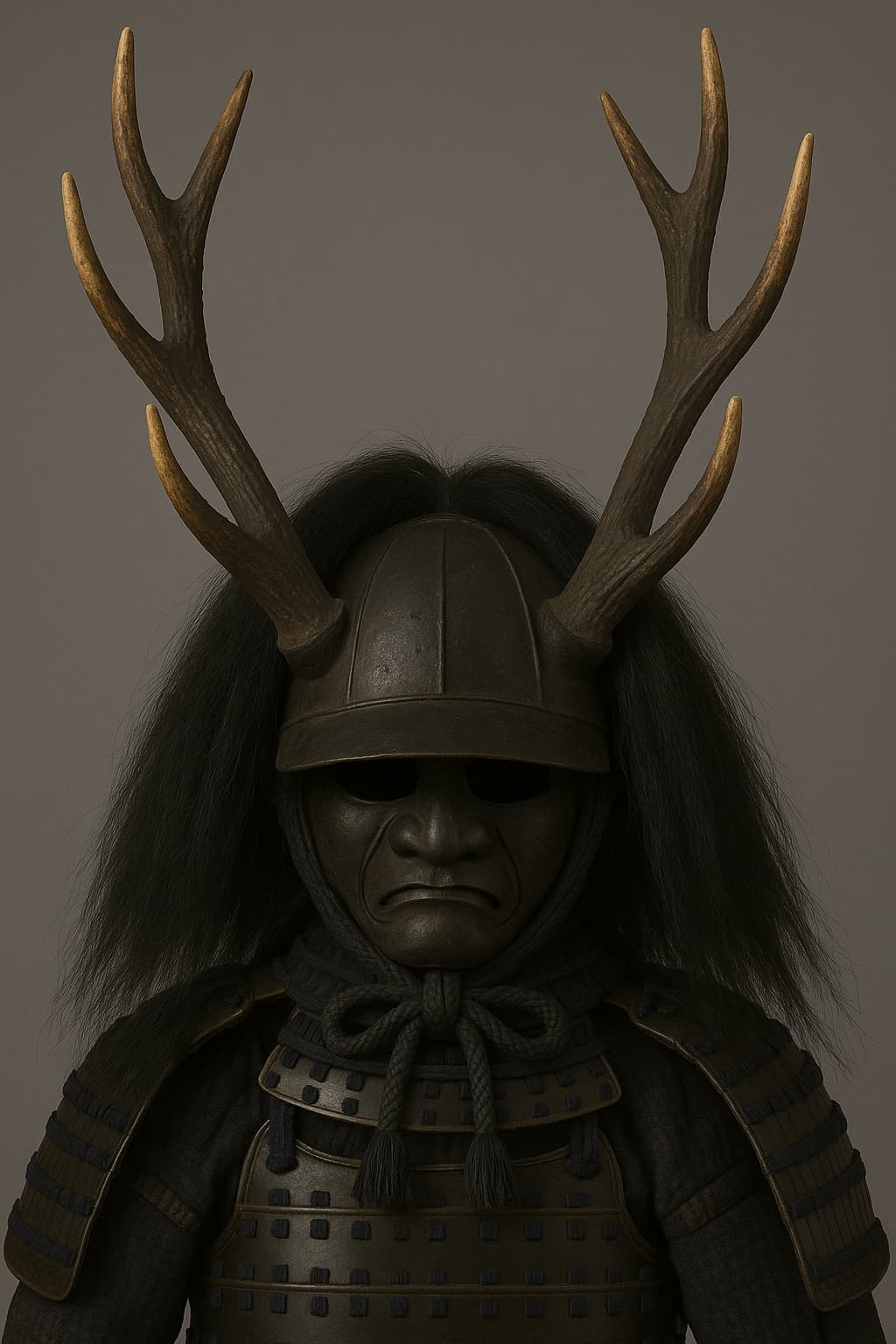
その黒毛三枚鹿角立の兜

I’m usually not a fan of AI generated images, but it should look like that, accoridng to ChatGPT


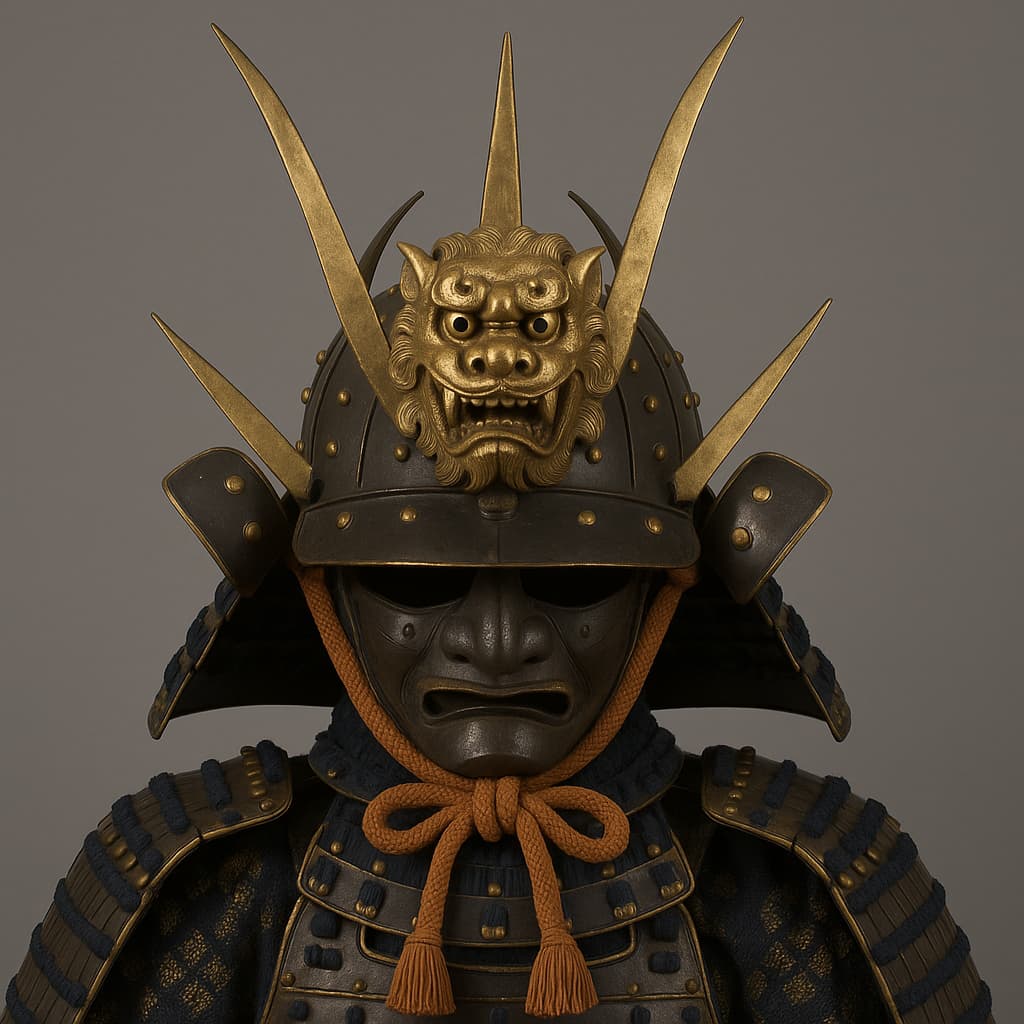
獅子嚙台星前立脇細鍬

And like that


“耶蘇が佝僂を癒やしている聖画”

Probably refers to this episode and painting


"大魚の腹中にある約拿"

This is Jonah in the belly of the Whale


"コプト織"

This is what a coptic weave of Jonah emerging from the belly of the whale (second picture) might look like.


"色大理石と櫨の木片を交互に組んだ車輪模様の切嵌"

I imagine the floor looking a bit like that. I have only found modern exemples of mosaic floors mixing wood and stone, such as this one. Mixing material is reminiscent of marquetry but I don’t think this was used for floors


"両辺の床から壁にかけ胡桃と檞の切組みになっていて"

This is probably what 小栗 has in mind here and later in the description


"外部から放たれているものでない事は、とうに明らかなんだし、燐の臭気はないし、ラジウム化合物なら皮膚に壊疽が出来るし、着衣にもそんな跡はない"

I like the idea of a glow-in-the-dark corpse, somehow. Phosphorus in itself is used to a similar effet in Conan Doyle’s The Hound of the Baskervilles


"蟯虫"

Pinworms. This is actually quite gross. Better not check the page related to pinworm infection.


"鞭毛虫"

This is only slightly better than the pinworms


3 Likes

Great work so far on those references! The architecture and art references in particular are great to have a visual reference as you’ve given. As you’ve noted, some of the history/science references are “false,” but the story isn’t meant to be a rigorous account of history and the “made-up” stuff is to add to the mystique and to produce an interesting story.
ChatGPT is a bit of an unfortunate resource for some parts of the book. I think it will probably do well for the art references and such, but with the suits of armor it fell a bit short imo. For example in the first picture the helmet is quite off, and it doesn’t even show the characteristic 錣 of the kabuto. It can be quite hard to research this stuff because the exact words Oguri uses are unique and inputting them directly may not get results. I usually take the most important features of his description and try to find similar results of historical pieces of armor. So for the first one I looked up images of the following prompt “鹿角 兜 本多忠勝” (there are 2 major historical figures who have deer antlers on their kabuto and this one also has black armor), and for the second one “獅子嚙の前立の兜.”

5 Likes

Thank you !

Yes, there are a lot of things I find fascinating so far, and figuring out what is real, what is reality-adjacent, and what is pure fabrication is part of it. Though of course it makes researching the references that much frustrating.

I think I found my rabbit-hole for the next future :blush:

That’s very interesting about the 兜. An historical figure, you say ? I’ll have to search about that. Just plugging in the descriptions of the helmets in google gave some exemple for the first one, but nothing much really on the 獅子舞 one, which is why I finally resorted to AI, though I had a feeling they were off. And that’s been a good experience too, because even though I’ve had ChatGPT hallucinate on me before just like everyone, I usually don’t use it much. It’s actually bad at a lot of stuff that shouldn’t be too hard for a human. For example, the Montespan reference was obvious to me, the Chateau de Clagny one less, but it wasn’t too difficult to figure out starting from Madame de Montespan. ChatGPT decided it was just something Oguri had invented and never made the historical link.

Also at some point, it was adamant the book had been written by Yumeno Kyusaku….

3 Likes

I definitely feel your frustration with the research, although it does feel rewarding when you finally find some obscure resource!
I mentioned 本多忠勝 because he had a similar set of armor called 黒糸威胴丸具足. Even if it isn’t a direct reference to that armor, it can give a good idea on how to break down the descriptions of suits of armor.
In the story we have 黒毛 (same as the historical suit of armor, just 毛 instead of 糸 but still presumably still what hold the 縅 together [see 毛引縅 for more]), followed by 三枚 (likely the number of 草摺), and finally 鹿角立 (referring to the type of 脇立).
For the lion one I would break it down as 獅子噛+台 (this gives results by itself of the lion that would be at the 前立台), then 星 (refers to the rivets in the 兜), and finally 脇細鍬 (脇 referring to 脇立 and the shape is a thin 鍬形).
The chatGPT hallucinations sound like classic examples of it spouting nonsense confidently. The fact that it can’t separate the work with ドグラマグラ because they are often grouped together is rough as well.
I didn’t find this resource until recently, but there is a website with many of the terms used in 黒死館 with pictures. I would be cautious if you want to use it though as it is in 五十音順, so it’s not great for first time readers(also in my opinion part of the fun can be the research for references). Here is the link in case you’re interested though: 黒死館古代時計室

3 Likes

Thank you ! I’ve had a look, it looks interesting, though I don’t know if it’s complete, because the index seems to stop at し. I can’t blame them, though ! I’ve added the link to the top of each chapter reference post.

2 Likes

Chapter 1 - 第一篇 死体と二つの扉をめぐって
1.2 - テレーズ吾われを殺せり
Home Thread
Japanese Wiki

"ハイルブロンネルに"

This could be Karl Heilbronner. However, while he did write about adult psychopathology, i couldn’t find any link to child psychopathology, and no exact quote. Of course, [Freud] ( also write about children’s cruelty, though he differenciates this from sadism, in that cruelty is indifferent to the subject’s suffering, and less subordinate to sexual urge.


"ロムバルジア巫女"

Stryges were mythical demons, either birds of ill omen or women transforming into birds/withc, who fed on blood or human flesh. In medieval northern Italy, striges are especially mentionned in two demonology treaties, Lamiarum sive striarum opusculum by Girolamo Visconti, and Tractatus de strigiis by Bernard Rategno. While mainly described as vampires of sort, it seems that in the middle ages, the word stryx/striges was associated with poisoning, especially children, through milk or food, and especially in the night.


"アイヷソウフスキーの匈奴族馴鹿狩の浮彫が施されていた"

Ivan Aivazovsky was a celebrated painter of the later half of the 19th century. However, his specialty was marine, not hunting scene.
And here is about the Xiong Nu, better knwon in the West as the Huns


ゴードゥン・クレイグ時代"

Edward Gordon Craig was a british actor , director, and more importantly stage director. He insisted that scene setting was more important than acting.


"テル"

William Tell


"クライル"

George Washington Crile was a renowned american surgeon, who performed the first successful human blood transfusion, founded the Cleveland Clinic and worked on anesthesiology and shock. It seems he did animal experiments with strychnine when studying the effect of shock, I couldn’t find anything about cyanide. Or more probably this refers to his surgical prowess.


"アドルフ・ヘンケの古い法医学書"

Adolph Henke was a german physician working on medical forensics. He studied in Braunschweig… which was referenced in the prologue !


"アヴリノの『聖僧奇蹟集』などに……"

This is probably St Andrew Avellino. However, even though he wrote five theology treaties, he doesn’t seem to have written one about miracle.


"炭素球"

The carbon light bulb was invented by Lewis Howard Latimer. They are also known as Edison light bulbs


"土偶人形"

Also know as golem


"半大字形か波斯文字"

The アイリッシュ refers to the type of script known as uncial。There were many differencent styles of uncial, among which and irish insular script. ネスキー refers to the arabic calligraphy naskh. They are not quite alike… though maybe they could look so for japaese peaople, the way non japanese/chinese speakers might assimilate japanese and chinese ? Though considering the erufition of 法水 so far, that seems odd.


"ヘロデ王ベテレヘム嬰児虐殺之図"

This is The Massacre of the Innocents.


"オットー三世福音書"

The Gospels of Otto III. I haven’t been able to precisely locate the two biblical scenes (the massacre of the innocents and Jesus healing an infirm woman among the illustrations available online, but it is higly likely that both are indeed illustrated inside.


"バーデンバーデンのハンスヴルスト"

Probably refers to the german comic figure Hanswurst, though I haven’t founf any special Baden Baden style of puppet or puppet show. There is however a dedicated puppetry theater in Baden Baden, the Künstler-Marionetten-Theater Baden Baden, founded in 1911 by Ivo Puhonny


"君はボーデの法則を知っているかい"

That’s Bode’s Law


"フォイエルバッハ"

That’s Anselm Feuerbach


1 Like

Chapter 1 - 第一篇 死体と二つの扉をめぐって
1.3 - 屍光故ゆえなくしては
Home Thread
Japanese Wiki

"スウェーデンボルグかジョン・ウェスレイ(メソジスト教会の創立者)でもあるのでした"

This is Emanuel Swedenborg in his later years, when he took a mystic turn, and John Wesley, the founder of Methodism. On a side note, is/was Swedenborg so famous with the japanese public so as not to warrant a side note, but Wesley wasn’t ???


"マックレンブルグ魔法"

This probably references Sophie of Mecklenburg-Gürstow, Queen of Denmark; O also found an article that apparently refers to jewellery as magical artifact commissioned by the daughter of Sophie of Mecklenburg-Gürstow… but I don’t have access to the full-text and couldn’t research further.


"そうすれば、その六人の者が、犬のごとく己れの吐きたるものに帰り来る――とでもお考えなのですか"

Refers to St Peter’s 2nd Epistle, 2:22 in the Bible


"しかし、何が算哲と叫ばせたものでしょうな」と法水は再び疑念を繰り返してから、「実は、夫人が断末魔にテレーズと書いたメモが、寝台の下に落ちていたのですよ。ですから、幻覚を起すような生理か、何か精神に異常らしいところでも……。時に、貴女はヴルフェンをお読みになったことがありますか"

Likely references Erich Wullfen - german Wikipedia page only who worked as a criminologist; here’s an english-language article about his work.


"既に洗ってしまったでしょう。ですが、そういう御質問をなさると、ヘルマン(十九世紀の毒物学者)が嗤いますわ"

Unclear. There’s a Hans Rudolph Hermann (ru) who was a chemist, and a Rudolph Kobert who was a toxicologist. Maybe a mix of the two ?


"一つの物云う象徴[#「物云う象徴」は底本では「物云う象徴」]が作られていった"

Most probably a nod to Edgar Allan Poe’s The Tell-Tale Heart


"茶立蟲"

Psocids, also known as book lice. Some make a noise when they bang their abdomen against paper


"ヴェルレーヌの詩が……」"

Most probably Paul Verlaine’s poem Ariettes Oubliées V (english version). There is no mention of a chisel, but of the gentle sound of wings, which goes well with the Psocids.


"「ところが、死点と云えるものは、けっして網膜の上や、音響学ばかりにじゃないからね。フリーマンは織目の隙から、特殊な貝殻粉を潜り込ましている」"

Possibly a reference to R.Austin Freeman, a british detective story writer, whose detective, Dr Thorndyke apparently resolves several cases throught the use of dusts, barely visible footprints, etc…


"「いや、それが紀長谷雄卿の故事なのさ。鬼の娘が水になって消えてしまったって」"

This references 紀長谷雄, a japanese poet, scholar an diplomat from the Heian period. And here is the story !

"あの立法者の像なども、明白に迷宮の暗示ではありませんか。あれは、たしかマリエットが、埋葬地にある迷宮の入口で発見したのですからね"

This is Auguste Mariette, one of the fathers of egyptology. While excavating the Serapeum of Saqqara, he did find the famous seated scribe statue. As for the Crocodilopolis Labyrinth, it has no direct link to Mariette. I couldn’t fnd any reference to scribe statues specifically marking the entrance to this or other labyrinths


"僧正ウォーターとアレツオ、弁証派のマキシムス、アラゴニアの聖ラケル……もう四人ほどあったと思います。しかし、それ等は要するに、奇蹟売買人の悪業にすぎないことでしょう"

This references Walter of Mortagne and Maximus the Confessor; I couldn’t find any saint or mystic nalmed Rachel of Aragon, and no specific tradition or myth about a miraculous corpse related to this region. アレツオ could be Donatus of Arezzo who was martyred, though there is no mention of his corpse has having miraculous properties (there is, however, the miracle of a glowing Madonna in Arezzo, but no link to St donatus). Miraculous lights are said to appear over Maximus’s grave.


1 Like

That makes sense; the annotation in my book says the Japanese edition has pictures that aren’t in the original. The title is given as 興地史略 and while one kanji is different I think this is probably it: Archive.go.jp
You can see 2 pictures in the link, but they’re not exactly castles either…

4 Likes

The annotations give the name Simone Boccanegra, who was apparently first doge of the Republic of Genoa, Italy. He rebuilt Castello San Giorgio and made the whole town a fortress. (2nd link in German, also available in Italian). I can’t find anything saying he engineered it, but he certainly seems to have commissioned it.

4 Likes

This is not Nakajima Kawataro, but a stand in for 小栗虫太郎 himself; excerpt from Wikipedia.

小城魚太郎(こしろ うおたろう)
最近デビューした変わり種の探偵小説家。好んで寺院や病的心理を取り扱う。本人は直接は登場しないが、法水がその著書『近世迷宮事件考察』の内容を説明している。小栗虫太郎自身を投影した存在で、「白蟻」など他作品にも登場する。

To add to that; at the time this book was first published (1934), Nakajima was 17. It says in his wiki article that he was greatly influenced by reading the very magazine 黒死館 was published in. If he later used the name 小城魚太郎, he likely took it from here.

4 Likes

Thank you !

I’ve bought the annotated edition, too and at the moment… it’s sitting on my desk… but it should definitely make things easier. I’ve tried to change my workflow for chapter 2, which is why I haven’t updated the thread yet.

3 Likes

Wow!!! :star_struck: thank you for putting so much effort to organize this book club and even reading ahead to prepare all the references for us :heartbeat:

I was wondering if you could put a different header like [Main], [Ref], [Month 1], [Month 2] at the front of each title so that it will be easier for me to go to the correct thread from Bookmark? :smiling_face:


This is how my current bookmarks look like for the reference, main thread, month 1, which all looked the same. Thank you :pray:

4 Likes

Ooh, nice. It’s very impressive, isn’t it? I also needed some time to work up the courage to get started. :joy:

I’ve also been reading your notes periodically and found that it doesn’t have that much more information than what you also found (and sometimes you were even more detailed!), or there’s annotations for Japanese readers for things that we’re familiar with. But I hope it’ll make things easier for you and you don’t regret spending the extra money! You took on a big task with this reference thread. :slight_smile:

I think that’s a good idea! I’ve also had the experience of clicking through all the threads on my phone.

4 Likes

It’s done !

3 Likes

Thank you so much!!! :heavy_heart_exclamation:

Chapter 2.1 一、Undinusウンディヌス sichジッヒ windenヴィンデン(水精ウンディヌスよ蜿うねくれ)

Home Thread
Japanese Wiki

"Undinus sich winden"

Note:: This appears in Goethe’s Faust, part one :

Erst zu begegnen dem Thiere,
Brauch’ ich den Spruch der Viere:
Salamander soll glühen,
Undene sich winden,
Silphe verschwinden,
Kobold sich mühen.

Here’s a link to several english translations

There is a comment later in the chapter about Undinues/Undene. And “Salamander soll glühen” is the title of chapter 4.2


"僧正殺人事件"

Note:: This is a SS Van Dine short story, The Bishop Murder Case, reinforcing the comparisan between 法水 and Philo Vance


"リーマン・クリストフェルのテンソル"

Note:: This references Bernhard Riemann and Elwinn Bruno Christoffel. The Riemann-Christoffel Tensor apparently plays a big part in relativity theory, with something to do with space/tile curvature. I am absolutely unable to explain any further…


"ミンコフスキーの四次元世界に第四容積"

Note:: This is Herman Minkowski. He described space/tile asa a fourth dimensional space


"ところで、宇宙構造推論史の中で一番華やかな頁と云えば、さしずめあの仮説決闘――空間曲率に関して、アインシュタインとド・ジッターとの間に交された論争でしょうかな。その時ジッターは、空間固有の幾何学的性質によると主張したのでしたが、同時に、アインシュタインの反太陽説も反駁しているのです。ところが久我さん、その二つを対比してみると、そこへ、黙示図の本流が現われてくるのですよ」とさながら狂ったのではないかと思われるような言葉を吐きながら、次図を描いて説明を始めた。「では、最初反太陽説の方から云うと、アインシュタインは、太陽から出た光線が球形宇宙の縁を廻って、再び旧の点に帰って来ると云うのです。そして、そのために、最初宇宙の極限に達した時、そこで第一の像を作り、それから、数百万年の旅を続けて球の外圏を廻ってから、今度は背後に当る対向点まで来ると、そこで第二の像を作ると云うのです。しかしその時には、すでに太陽は死滅していて一個の暗黒星にすぎないでしょう。つまり、その映像と対称する実体が、天体としての生存の世界にはないのです。どうでしょう久我さん、実体は死滅しているにもかかわらず過去の映像が現われる――その因果関係が、ちょうどこの場合算哲博士と六人の死者との関係に相似してやしませんか。なるほど、一方はÅ(一耗の一千万分の一)であり、片方は百万兆哩でしょうが、しかしその対照も、世界空間においては、たかが一微小線分の問題にすぎないのです。それからジッターは、その説をこう訂正しているのですよ。遠くなるほど、螺旋状星雲のスペクトル線が赤の方へ移動して行くので、それにつれて、光線の振動週期が遅くなると推断しています。それがために、宇宙の極限に達する頃には光速が零となり、そこで進行がピタリと止ってしまうというのですよ。ですから、宇宙の縁に映る像はただ一つで、恐らく実体とは異ならないはずです。"

Note:: This is a hard one…
Correct me if I get things wrong but, to simplify, Einstein’s earlier cosmology model described a static, non expanding universe, where everything was kept stable. In this universe, light from an object would create 2 images of this object, at two different points, but because of time passing, when the second image forms, the original object might have disappeared; this second image was therefore a reflect of something that no longer existed, an image from the past.
De Sitter created a cosmological model of an ever-expanding universe, one that could exist without matter; he theorised (and was later proved right) that as it reached the boundaries of the universe, light would slow down and finally stand still, experiencing red-shifting. Because of this slowing-down, there woule be only one image, that would ot differ from the real object.


"けれども、それが対称的に抽象出来るというのは、つまり人体生理の中にも、自然界の法則が循環しているからなんです。現に体質液学派は、生理現象を熱力学の範囲に導入しようとしています"

Note:: This isn’t very clear. Probably, as the theory of homeopathy states that diseases could be cure by the same thing that causes them, introducing some kind of equilibrium, this should somehow relate to the law of thermodynamics. I think that’s how 法水 tries to link his explanations of murders with the whole relativity theory thing earlier on.


"体質液学派"

Note:: Samuel Hahnemann helped create the field of homeopathy


"だから支倉君、僕はソーンダイクじゃないがね、マラリヤや黄熱病よりも、雷鳴や闇夜の方が怖ろしいと思うよ"

Note:: This is Edward Thorndike. Thorndike was a psychologist, specializing in education. In his 1913 book “The Original Nature of Man”, he positied that education could cure evilness in man, while such natural phenomenon as diseases couldn’t be cure by education (basically nurture vs culture). 法水 does not agree with that, and posits that there is something intrinsically evil in the 降矢木 family.


"記号語"

Note:: Written sign language, so as to be intelligible to all (not like this book…)


"秘顕"

Note:: secret revelations; AI also gives secrete machinations as a possible meaning


"ナルマー・メネス"

Note:: Menes Narmer is considered as the first Egyptian pharaoh, in that he unified northern and southern Egypt


"その間、鎮子は懶気に宙を瞶めていたが、彼女の眼には、真理を追求しようという激しい熱情が燃えさかっていた。そして、法水の澄みきった美しい思惟の世界とは異なって、物々しい陰影に富んだ質量的なものをぐいぐい積み重ねてゆき、実証的な深奥のものを闡明しようとした"

Note:: Funnily enough, even though 鎮子 herself says she isn’t part of the family the way 易介 is, she is still firmly on the occult side of the investigation, when 法水 is battlign on the scientific side.


"ハム族"

Note:: Refers to the Hamites, considered to be descencant of Cham, Noah’s second son. All kinds of unpleasant eugenic/racial theories are referenced in the Wikipedia page. Here, it mainly links to the egyptian theory pursued by 法水.


"易介なんです"

Note:: Once more, 易介 is linked to the family evilness


"伸子さん"

Note:: What’s her part in that ?

Tentative chronology : 15 min before, 易介 hears a strange noise, sees a suspicious dark man, and finally finds some glass shards. At this point, the séance has already started. Then, Grete Danneberg faints, and is brought into the room. Nobiko goes with her, and asks (易介 ?) for water. Nobody else moves.
Also, 2 hours before the séance, Nobiko and Grete fought about… something


"傭人は犯人の圏内にはございません"

Note:: Meaning the servants are safe ? Or the culprit can’t be one of the servant ? more likely the first/.


"ニコル教授"

Note:: This is [Charles Nicolle](Charles Nicolle - Wikipedia, who received the Nobel Prize for medicine for his discovery of the transmission mecanisms of typhus. The reference here isn’t completely clear : Charles Nicolle did work on tuberculosis, though not as much as on typhus; and typhus does cause delirium, while tuberculosis doesn’t. Probably, it’s 法水himself that’s 間違いだらけ here.


"ゴソニック文字"

Note:: See before. Gothonic characters were introduced as an evolution of runes as the Goth alphabet, by Ulfinas, a Goth predicator, to transliterate the Bible. It can also refers to medieval gothic script (andf most probably, that’s what’s meant here, as Undinus sich winden is written in german, not in Goth).


"それから、この館の蔵書の中に、グリムの『古代独逸詩歌傑作に就いて』かファイストの『独逸語史料集』でも"

Note:: And… 法水 si wrong !!! He thinks this is from either the Brothers Grim or Sigmund Feist when this is Goethe.

"第一、易介が姿を消したことだって、先刻のロレンツ収縮の話と同じことですわ。その理学生に似た倒錯心理を、貴方の恫愒訊問が作り出したのです」"

Note:: Ok, I did ask Ai for help here. What 鎮子 is saying is that just as the student misinterpretated Lorentz’s lessons, 法水 misinterprets 易介’s actions (ie : 易介 is probably innocent in Grete’s murder)


"リシュリュウ"

Note:: This is Cardinal de Richelieu. This suggests not only an adviser, but a powerful, scheming one, one who would be the true power behind a figurehead.TIL that contrary to what I thought, the expression “éminence grise” did not refer to Richelieu, but to his own right-hand man


"法水さん、与えられたものをとることにも、高尚な精神が必要ですわ。ですから、それを忘れた者には、後日必ず悔ゆる時機がまいりましょう"

Note:: is she warning him of a human threat, or a supernatural one ?


"久我鎮子は実象のみを追い、君は抽象の世界に溺れている"

Note:: That’s funny, because throughout all this, 鎮子 has been pushing supernatural explanations when 法水 has tried to ground it all in science (albeit very obsure one at times)


"セヴィゴラのナッケ"

Note:: I couldn’t find ANY reference about this, whether on Google, or with AI. The annotated edition si also suspiciously silent about this. This is probably 100% made up. The idea behind this is probably that masochists would rather be blamed than not, the extreme exemple being a nun who would rather go back to secular life, keep her beliefs, and (presumably) continue to be blamed/persecuted for them for the sake of persecution, than to renounce her faith; of course; most people the Inquisition took an interest in weren’t given this rather simple choice…


"勿論久我鎮子は博識無比さ。しかし、あれは索引みたいな女なんだ。記憶の凝りが将棋盤の格みたいに、正確な配列をしているにすぎない"

Note:: That’s not a very nice thing to say !


"ヴォルテール"

Note:: This references Voltaire, but this is again a distorted reference; While Voltaire is a major philosopher of the Enlightenment age, he didn’t deal in speculative philosophy/metaphysics. That should be Kant, or Hegel, both of which chronologically fot with Goethe. Of course…法水 says 鎮子 is ignorant of literature, and he himself makes a mistake here, so it could be intentional too…


"まさにツァラツストラ的な超人なんだ"

Note:: This is Zarathustra for the direct reference. However, the annotated edition gives this as a triple reference, as this would in fact refer to Zarathustra in Nietzsche’s book Also sprach Zarathustra, in which Zarathustra is the archetype of the Übermensch. It seems than the author Van Dine, already referenced earlier, was a Nietzsche scholar.


"ヒルベルト"

Note:: This is David Hilbert, german mathematician and physicist.
The following wasn’t really clear. Hilbert apparently changed the whole paradigm of mathematics, from a purely linear, syllogic system to an axiomatic system. Here, 残余法 refers to mathematics but ALSO to the deductive, classic way of solving mysteries (think Sherlock Holmes). 法水 implies that this cas is too complexed to be solved classicaly and that, just as Hilbert changed the pardigm in mathematics, a whole new multi-leveled reflexion is needed to solve this case.


"フィンスレル"

Note:: This is Paul Finsler


"十二神将"

Note:: This are the Twelve Heavenly Generals


2 Likes