



Vocab Wiki 
| Title + Post | Notes |
|---|---|
| 〜しな | 光が死んだ夏 |
| あかん | |
| ええ | 光が死んだ夏 |
| おおきに | |
| おかやん | 光が死んだ夏 |
| かわええ | 光が死んだ夏 |
| しょうもね | 光が死んだ夏 |
| せな | |
| そかそか | 光が死んだ夏 |
| ~たない | 光が死んだ夏 |
| ちゃう | 光が死んだ夏 |
| できやへん | 光が死んだ夏 |
| どない | 光が死んだ夏 |
| なんでや | 光が死んだ夏 |
| なんなん | 光が死んだ夏 |
| ほしたら | 光が死んだ夏 |
| ほんなん | 光が死んだ夏 |
| ほんま | 光が死んだ夏 |
| ぼちぼち | |
| まんちくりん | heard from an Osakan friend |
| やった | 光が死んだ夏 |
| やなくて | 光が死んだ夏 |
| やねん | 光が死んだ夏 |
| 入れんで | 光が死んだ夏 |
| 出てまう | 光が死んだ夏 |
| 居る→おる | 光が死んだ夏 |
| 居れる→おれる | 光が死んだ夏 |
| 気ィ付けよ | 光が死んだ夏 |
| 買うて→こうて | 光が死んだ夏 |
| 回転焼き | heard from an Osakan friend |
1 Like
Culture Wiki 
| Title + Post | Notes |
|---|---|
| バカ and アホ difference | 光が死んだ夏 |
1 Like


Volume 1 Chapter 1
「気ィ付けよ」=「気をつけよ」
not sure if it’s actually ever written like this. I know it’s the way they pronounce it but I didn’t see it written down like I do other vocab from the dialect that is popular online.
「そかそか」 = very casual 「そっかそっか」 in general. not necessarily just this dialect

2 Likes
Volume 5
「ほしたら」→「そしたら」→「そうしたら」
it should be noted that this is a very rare and older form even in Kansai, meaning it’s used in very very specific places in Kansai and not a widely used vocab.
「やなくて」=「じゃなくて」
「居れる」→「おれる」 =「居る」→「いる」
I want to note that since it’s used in passive form then techically「居れる」→「いれる」is also a possibility, though its rarely used like this from my understanding
another note, this reading お is not used in just this dialect, but it’s the more common one in this dialect compared to the normal い


1 Like
Dang, you’ve even got screenshots and everything.  So pretty!
2 Likes
will probably not do it each time but since I’m on a roll I thought why not lol
1 Like
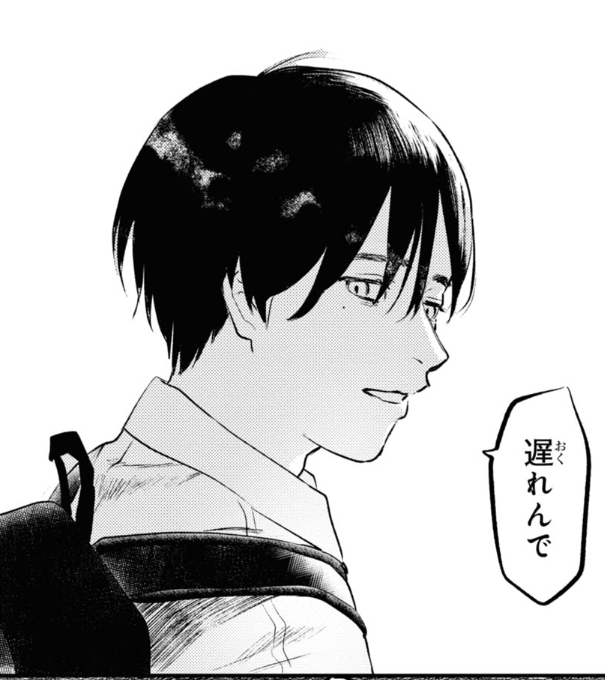
need to add an explanation into the grammar point in the use of ん
not sure how to explain it even though there are so many examples
needs looking into
the examples are a combination of the ん with other grammar points like the use of や - need a new post for this one
some examples:
Volume 1 Chapter 1


↑this one I’m not sure about, I think it’s a different kind of use than the other examples
1 Like
general grammar point:
関西弁 is a lot less strict in use of particles, and in fact has a tendency to skip over them
じゃ and だ have a tendency to turn to や
1 Like

「ほんなん」=「そんなこと」/「そうなの」/「そうなんだ」
this vocab is a bit more unique has more of a variety in it’s usage, so the general sentiment is そんなこと but you can use it in sentences where it’ll turn into そうなの or そうなんだ
you can see in the example the the closest is そんなこと but even then it feels a bit different in use
Volume 1 Chapter 1
note that needs to be checked:
I feel like I’ve seen some media use it with a similar meaning to それじゃ but since I can’t pinpoint it I can’t confirm + media 関西弁 isn’t always accurate
needs looking into:
the use of と as some in between particle
not sure how to explain it
should be noted that there is a lot of use of と in places where it would have been て so that’s also a factor
examples from Volume 1 Chapter 1


So for that first picture, と is acting as part of the negation requet conjugation for 言う. And for the second, 思っとった is a contraction for 思っていた, though I’m still looking for a formal grammar write-up on that one.
1 Like
oh I know the meaning, I was hoping to find out if there’s a grammar explanation into why と enters there
especially since I know that 思っとる and 持っとる are a thing
1 Like